


And we thought the strength training event was the venue down the hall.
While the Arnold Schwarzenegger Classic was preparing for its 2026 event at the Columbus Convention Center, another type of strength session was being celebrated next door at the Hyatt Regency in Downtown Columbus.
With the theme: “Celebrating 25 Years of the Conaway Conference,” the March 3 & 4 event, as it has in its long history, brought together Ohio Department of Transportation (ODOT) personnel, OCA members and fellow heavy/highway construction leaders to the day-and-a-half event.
Opening Day
In welcoming the more than 700 attendees to Tuesday’s opening general session, ODOT Deputy Director, Division of Construction Management, Josh Bowman said the year’s theme symbolizes “25 years of unparalleled work, commitment, loyalty and dedication to working not as much as an agency or industry, but as a strong quality-driven team that weathers challenges, celebrates successes and at the end of the construction season over the past 25 years we have emerged much stronger …”
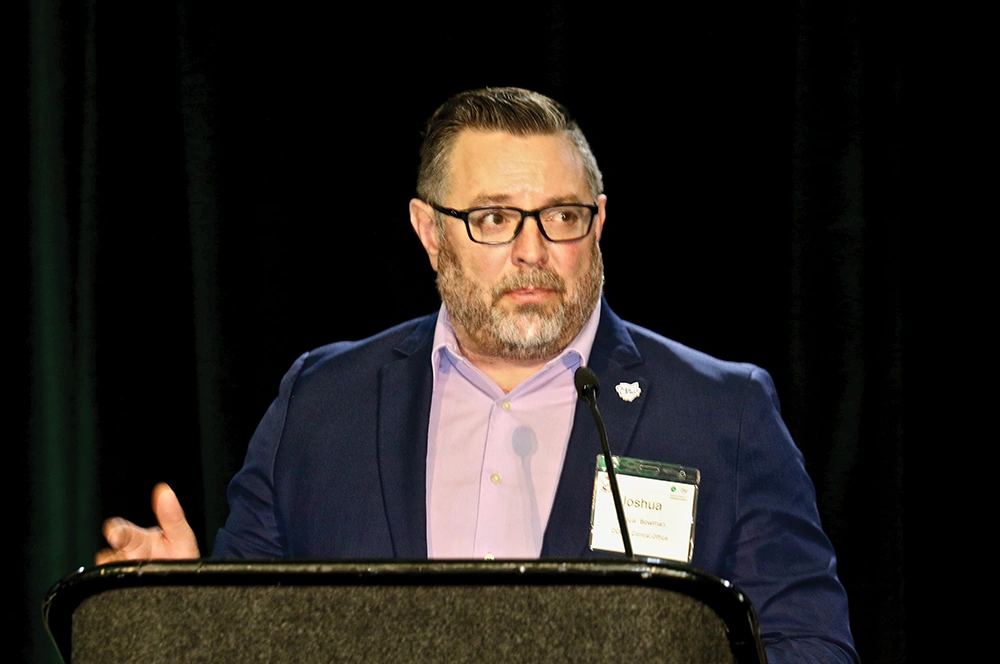
Bowman, who has been with ODOT nearly 25 years is a co-organizer of the Don Conaway Conference with OCA Director of Public Agency Advocacy Chris Engle.
The conference is named after the late Don R. Conaway, a former ODOT Deputy Director of Construction, who being a long-time advocate of the transportation agency and industry, reinstituted the importance of partnering sessions. The interlocked hands between ODOT and OCA symbolically showcases the intent of the Conaway Conference, which was previously named the ODOT and OCA Winter Construction Seminar but was named in Conaway’s honor in 2002.
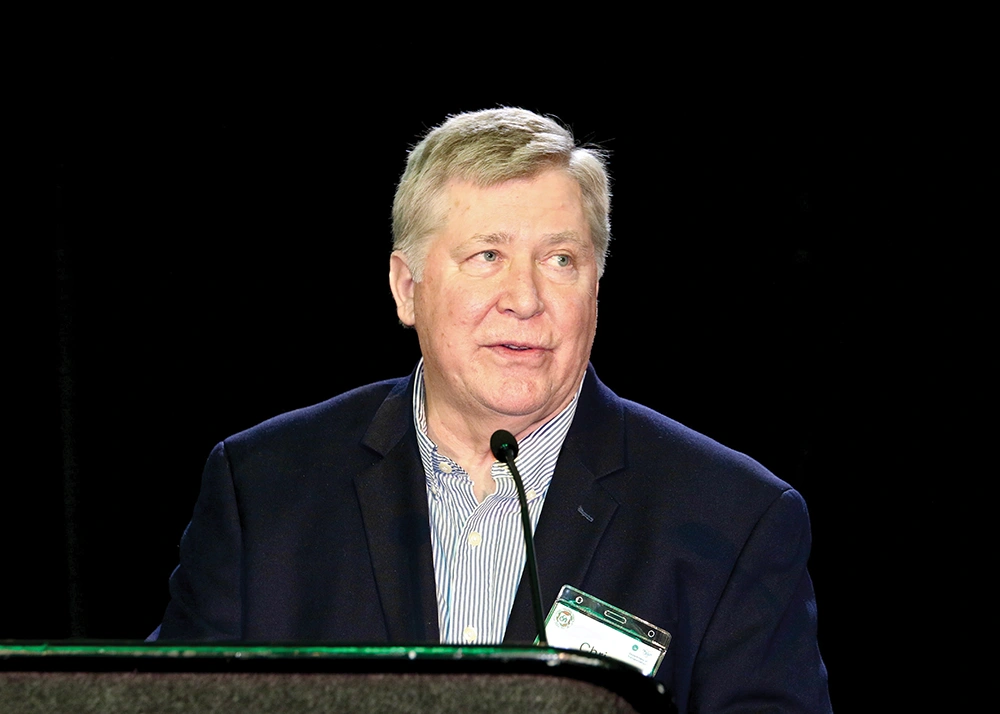
Engle began the opening session by welcoming the crowd of 715 attendees – which included 457 OCA members. Along with providing “housekeeping” notes, the 20-year OCA Director, who previously worked 22 years at ODOT, thanked and recognized members of the conference’s Planning Committee; ODOT and OCA staffs who assisted with the morning’s registration desk; the ODOT Communications team that produced and were emceeing the morning’s awards presentations; and the Hyatt Regency staff, presenters and sponsors.
In his welcome, Bowman, who has led the agency’s Division of Construction Management since 2022, set not only the tone for the next several days but also for Ohio’s transportation construction season. “I believe the timing of this conference each year is truly what kicks off the start of another really successful – sometimes challenging – construction season in Ohio,” he said. “Although what we do can be extremely challenging, the strong partnerships, relationships and even friendships are the foundational pillars of success in our program each year …”
With this being the final year of the current federal transportation funding program – the Infrastructure Investment & Jobs Act (IIJA) ends September 30 – a Federal Highway Administration (FHWA) Update seemed appropriate. And FHWA Ohio Division Administrator Dave Snyder couldn’t think of a better place to be than at the Conaway Conference, saying, “Event’s like this are essential for improving safety and mobility on our nation’s highways …”
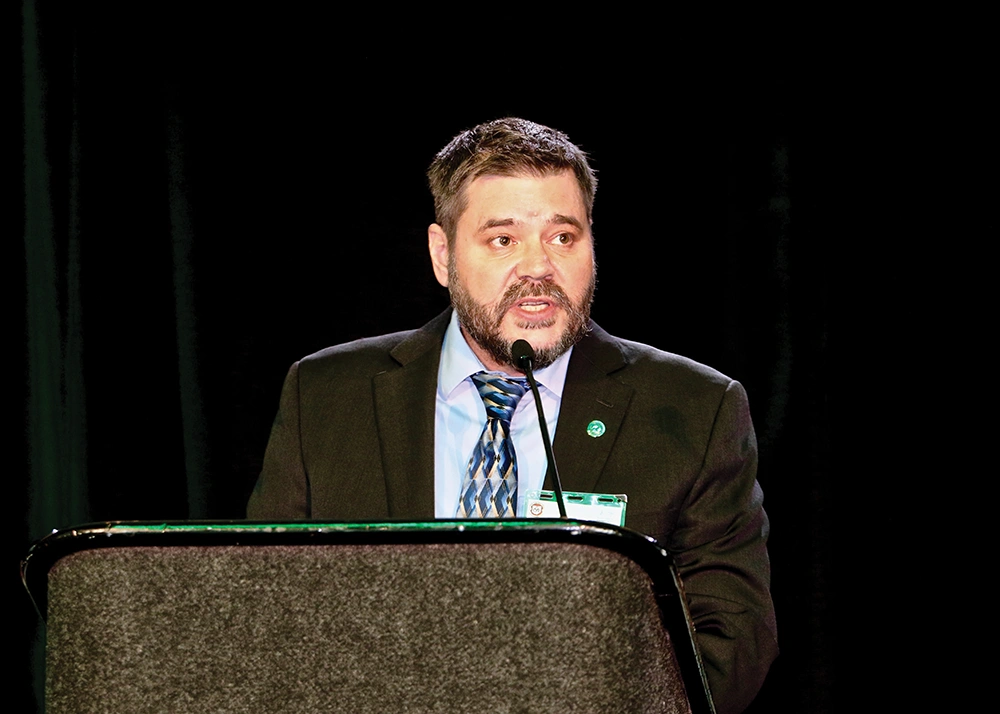
In his third year leading the FHWA Ohio Division, Snyder provided updates and reminders on several topics. Regarding changes to the federal Disadvantaged (DBE) and Small Business Enterprise (SBE) programs, he noted “ODOT was very forward thinking, and by having a race-neutral (SBE) program in place will be a huge valuable asset in this transitional period.” He also spoke on changes to the IIJA’s Buy America/Build America requirement for domestic manufacturing of construction materials – which by October 1 includes in addition to final assembly of products being done in the U.S., those products are required to meet a 55% domestic content threshold. (See “Are the Build America Buy America Regulations Moving Too Fast for the Industry?” in Ohio Contractor, January/February 2025).
Snyder next spoke on an initiative to update training for 1 million responders on traffic incident management (TIM). “… Every minute a lane is blocked on the freeways, the chances of a secondary crash increase by nearly 3%,” He described the initiative as a “shifting the mindset (of responders) from investigating a fender bender (first) to clearing the roadway to restore flow.” FHWA reports that 800,000 people have been trained on the new protocol, as Snyder urged audience members to get the word out about online TIM training available at https://ops.fhwa.dot.gov/tim/training/ and https://www.transportation.ohio.gov/programs/otim.
In his OCA Opening Remarks, OCA President Chris Runyan provided a somber segue of Snyder’s comments on the importance of road safety to the importance of working together toward transportation improvements. The 20-year OCA leader, who also is an ODOT and industry veteran, gravely reminded the audience on the dangers of working alongside the state’s roadways, as he asked for a moment of remembrance for a construction worker who was killed three days before when an automobile entered a nearby Downtown Columbus work zone.
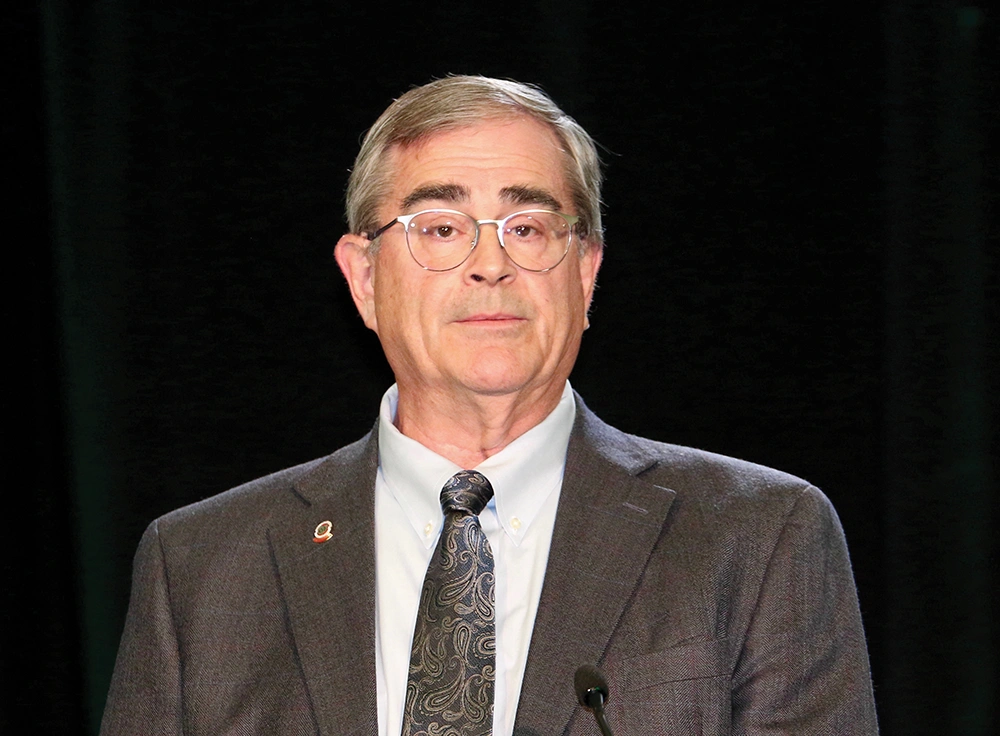
Runyan’s somber opening quickly changed course when he talked about the influence of Don Conaway on Ohio’s highway construction industry that “continues to be felt every day – often in ways so embedded in how we do business that we hardly stop to notice them.” An associate of Don Conaway at ODOT, Runyan said, “He was not just a respected leader in the industry; he was a connector. He believed strongly that Ohio’s transportation system would only succeed if the people responsible for building it trusted one another, talked to one another and worked through problems together rather than across a table divided by contracts and claims.
“Long before the word ‘partnering’ became common language, Don was already practicing it.”
As he looked over the crowded Hyatt Regency Ballroom, Runyan said the progress made in Conway’s partnering efforts “is undeniable,” adding, “… Today, partnering is not an experiment – it’s an expectation.” In closing, Runyan, who wrote about Don Conaway’s impact on Ohio’s transportation industry in the January-February 2026 issue of Ohio Contractor, said, “This conference was named in Don’s honor 25 years ago not simply to remember him, but to continue his work. Every agenda item, every discussion, every lesson shared here is part of that legacy … Thank you for carrying forward the legacy of Don Conaway.”
With ODOT Director Pamela Boratyn unable to attend this year’s conference, Bowman provided the ODOT Opening Remarks. Speaking on behalf of the 35th ODOT Director, who has led the agency since October 2024, Bowman spoke of Ohio’s vibrant transportation program, which since the beginning of the DeWine Administration in 2019 has invested nearly $20 billion. “That’s good for ODOT; that’s good for Ohio’s contractors; and that’s good for the traveling public as they travel through Ohio,” Bowman said.
In addition to listing projected highlights for ODOT’s $2.8 billion and $3.6 billion transportation programs in 2026 and 2027, respectively, Bowman heralded Ohio’s fourth consecutive year in 2025 of reduced deaths and serious injuries on its roadways. Also noted was that groundbreaking on the Ohio/Kentucky Brent Spence Corridor Project – described as the “backbone of the 71/75 Corridor” in Cincinnati – will be this spring. Not only a “Major” – with a capital M – Project for the region, the Brent Spence Corridor supports $1 billion in daily freight and is critical to the U.S., Canada and Mexico supply chains.
Being a major trucking state, Bowman mentioned Ohio’s plans to add 1,400 dedicated truck parking spots to the state’s inventory in the next two years. He said, “By expanding safe accessible places for drivers to rest, we are supporting the people that keep our economy moving and making it safer for everyone on our roads …” (See November-December 2025 Ohio Contractor for related article.)
Bowman remained on the topic of safety by mentioning the ODOT Roadside Worker Campaign, which is targeting motorist awareness to move away from any construction vehicles with flashing lights alongside roadways; the Move Over Law applies to any construction vehicles – whether they are in an active work zone or are survey, traffic barrel or lane closure crews.
The final topics discussed in the Opening ODOT Remarks regarded future budget struggles and redistricting.
Bowman said the transportation budget is being negatively impacted by the 30% increase in construction costs since 2019. The increase in construction costs will be seriously felt in coming years, as fiscal projections show a $4 billion shortfall, beginning in Fiscal Year 2028-2029, that will impact ODOT’s program over the next 10 years. “We need a long-term sustainable funding solution that allows us to not only maintain what we have, but to build on what we need for the future,” Bowman said.
While Bowman said highway contractors won’t see much change as a result, he concluded the Update by discussing ODOT’s realignment of Districts 1, 2, 7 and 8. Taking place in early April, according to Bowman, the full transition of the redistricting will be over the coming months and years. (See related article on page 26).
Speaking of ODOT Districts, the annual Don Conaway Partnering Awards took center stage next, as nine of the 12 districts and 16 contracting companies were among the 25 nominated projects competing for honors.
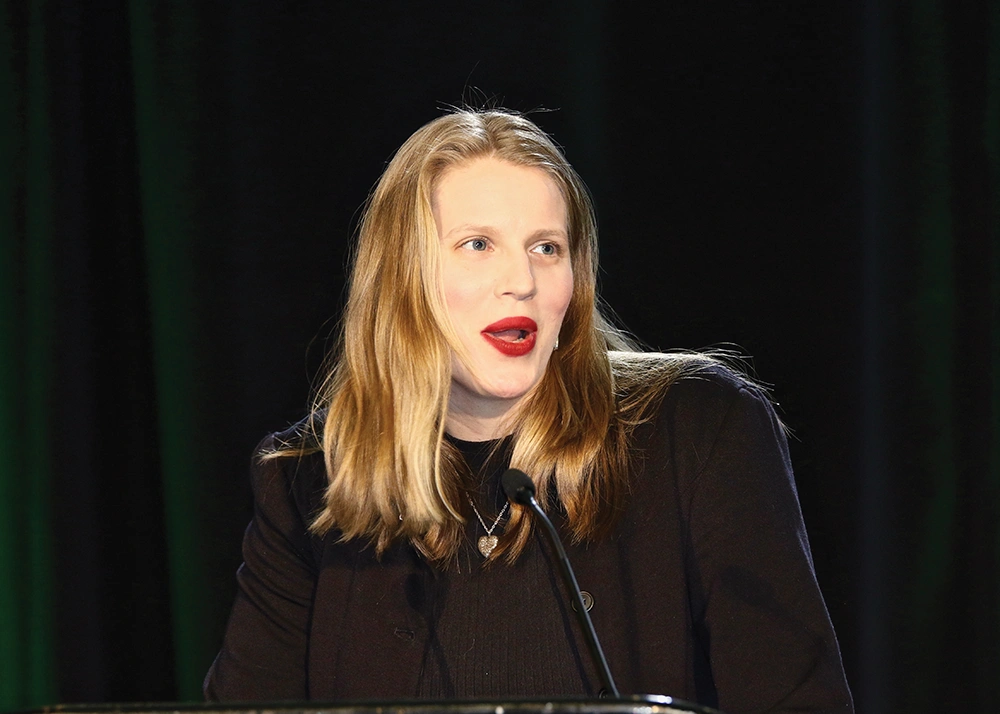
Winners, selected by the ODOT-OCA Partnering Committee, were named in four categories: Local-Let Local Public Agency (LPA), Projects Under $5 Million, Projects $5 Million to $20 Million and More than $20 Million. An Honorable Mention project was also announced. “These awards honor the very best partnerships between our ODOT Districts and contractors in completing construction projects that serve Ohio communities,” said ODOT Digital Media Coordinator Renee DeFord, who emceed the awards.
The winning project teams were:
LPA
Cuyahoga County North Main Street Bridge Replacement in Village of Chagrin Falls
Contractor: Great Lakes Construction Co.
Village of Chagrin Falls & ODOT District 12
Under $5 Million
S.R. 120 Bridge Replacement in Metamora
Contractor: Vernon Nagel Inc.
ODOT: District 2
$5 Million to $20 Million
S.R. 209 Bridge Replacement in Cambridge
Contractor: The Ruhlin Co.
ODOT: District 5
$20+ Million
Cincinnati Mill Creek Expressway – Phase 5
Contractor: Great Lakes Construction Co.
ODOT: District 8
Honorable Mention
Akron Beltway
Contractor: The Ruhlin Co.-Shelly & Sands Inc. Joint Venture
ODOT: District 4
In addition to the winning projects, the 5th Annual Don Conaway Individual Partnering Awards were announced. The Individual Partnering Awards honor both an OCA member and ODOT employee, who DeFord described the recipients as “two individuals that champion partnering and embody the culture of the program while being leaders in their fields.” The Individual Partnering Award recipients were announced by Engle and Bowman:
OCA
Tom Hill
The Ruhlin Co.
ODOT
Brian French
District 2
For information on the 2026 Don Conaway Partnering Awards’ winning projects and individuals, see page 28.
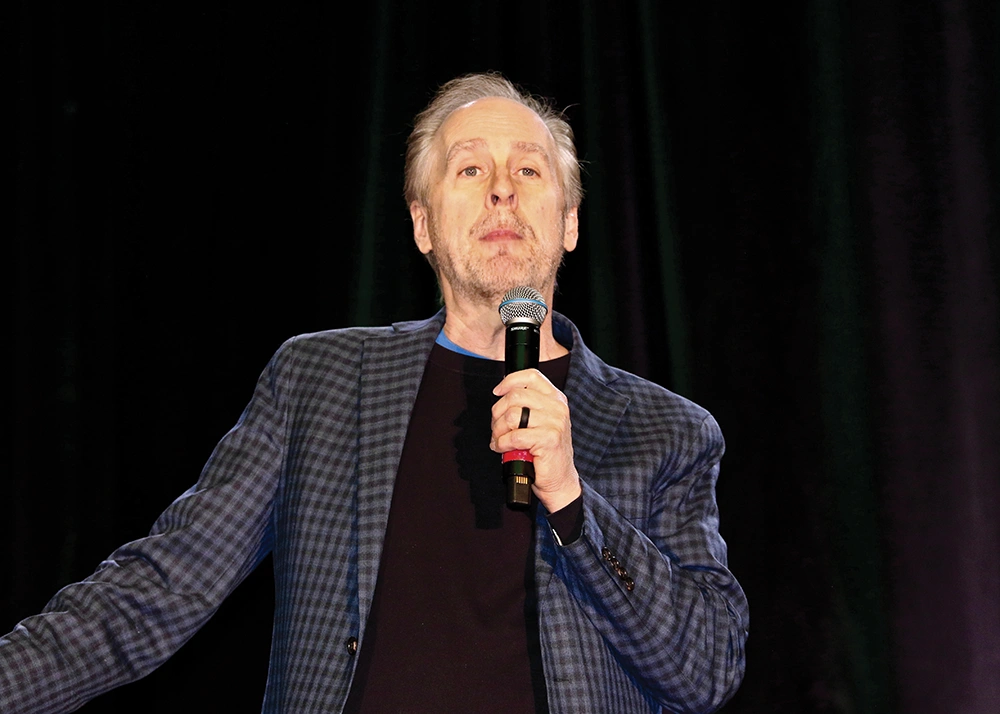
Tuesday’s morning session ended with guest speaker Charles Marshall providing a mixture of comic relief and motivational instruction.
Marshall, who has been on the entertainment circuit for nearly 30 years, is the author of four books, including one sharing the title of his Conaway presentation: “The Seven Powers of Success.” The Missourian has also produced and performed in the full-length comedy videos “Fully Animated” and “I’m Just Sayin.” His presentation on the abilities of (1) Choice, (2) Vision, (3) Mind, (4) Action, (5) Failure, (6) Character and (7) Belief are ones available to everyone so they can reach their personal and professional success. Marshall’s presentation resonated with the audience through his humor – which was brought to life from his own experiences.
Following a lunch break that provided further time for camaraderie building among the contracting industry and ODOT personnel, Tuesday afternoon featured four hours of breakout sessions on an abundance of topics. Attendees had an opportunity to choose from 16 sessions and learn from more than 30 speakers on topics ranging from featured construction projects, legal and federal insights, ethics, dispute claims and specifications, pavement and stormwater insights, innovative practices and academic research.
Day 2
While the 25th Annual Conaway Conference’s opening day was a busy one, with more than 18 hours of shared information, Wednesday’s half-day schedule was just as full and informative with six more presentations.
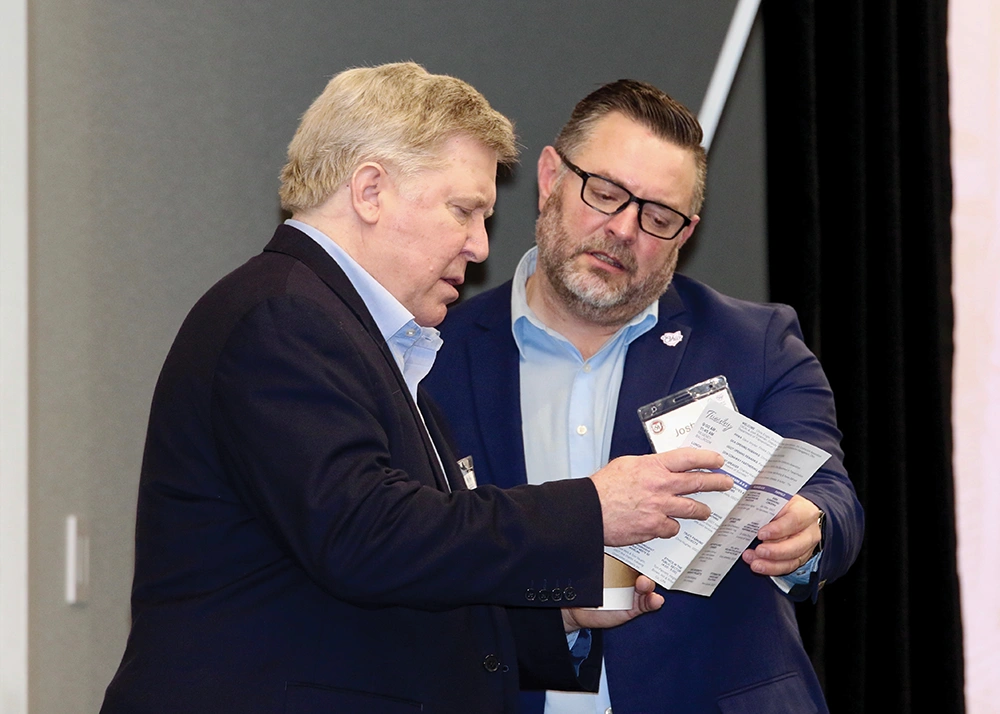
Even the welcome for the last day of the conference was informative, as Bowman provided additional insight on ODOT’s redistricting; the “win-win for everyone” in regard to prompt payment initiatives – as ODOT has seen an improvement and is nearing its goal of 90% betterment of getting money into the hands of contractors; and previewed the “Constructing Resilient & Sustainable Transportation Infrastructure for Ohio’s Future: A Workshop,” June 2-3, at the Columbus/Polaris Hilton Hotel. The June event will include discussion on the resiliency and sustainability of flexible pavements and rigid pavements, structures, aggregates and soils, hydraulics, structures, policy implementation and technology and workforce development.
ODOT Outlook 2026-2027
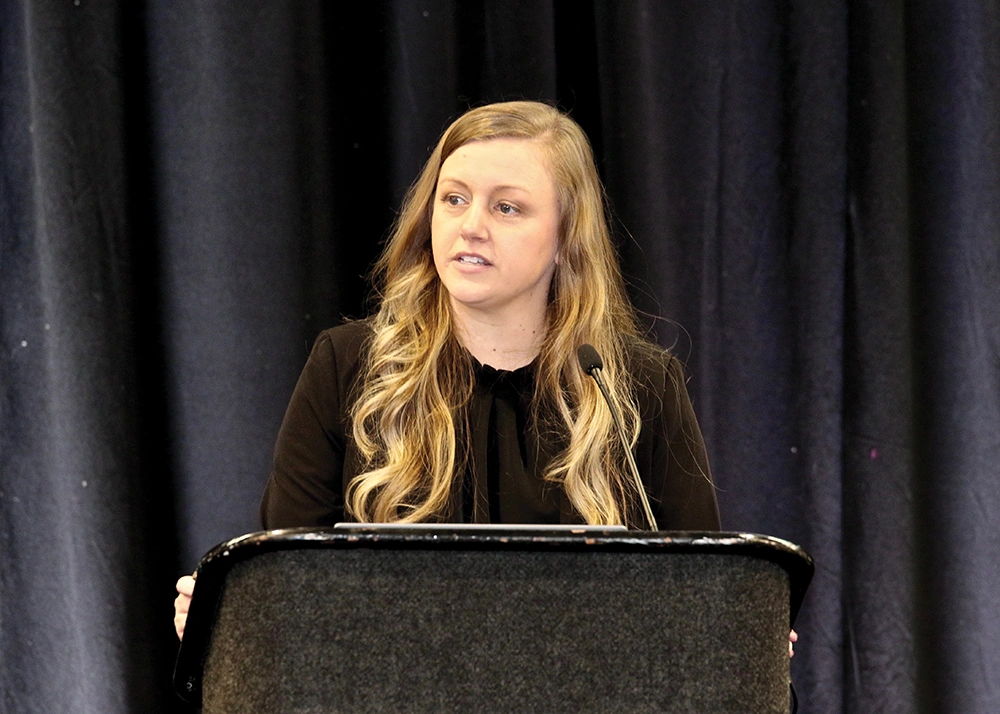
While her topic picked up on Tuesday’s ODOT Opening Remarks, centering on the state’s transportation budget, ODOT Chief Financial Advisor, Division of Finance, Sara Downs, who oversees the agency’s more than $4 billion annual budget, sounded a lot like a meteorologist, when she said, “Similar to Ohio’s weather, we’re going to give you somewhat of a gloomy forecast as it relates to transportation funding.”
Downs, who is celebrating her 21st anniversary with ODOT this year, discussed Ohio’s primary funding sources, what they look like and how they are utilized; focused on the state motor-fuel tax and its current and future trends; spoke on the federal revenues assisting the state’s road and bridge system; and the challenges ahead for Ohio “and what we need to do moving forward.”
I-73 Corridor Study
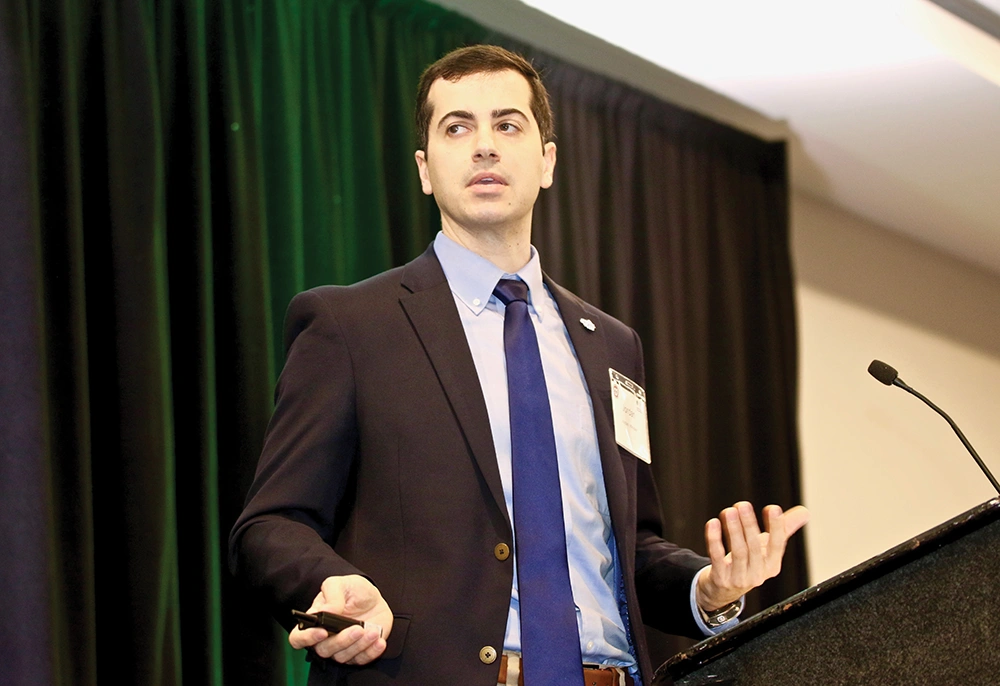
ODOT Division of Planning Project Manager Jordan Whisler is working on a project that predates his time at the agency by nearly 20 years – and it could take another 20 years before it comes to fruition.
The Interstate 73 Corridor – which would be from Sault Ste. Marie, Mich., to Myrtle Beach, S.C., – was proposed as part of the 1991 Intermodal Surface Transportation Efficiency Act (ISTEA). Whisler said the benefits of the 1,000-mile route are centered on the North American Free Trade Agreement (1994), enhanced regional activity and improving safety and traffic flow. In addition to Ohio, the proposed I-73 Corridor would travel through Michigan, West Virginia, Virginia and North and South Carolina. In Ohio, the proposed interstate would include Toledo to I-75, to S.R. 15 through Findlay and U.S. 23 through the cities of Delaware, Columbus, Chillicothe and Portsmouth.
Whisler, who joined ODOT in 2018, discussed a feasibility study ODOT is currently working on as part of Ohio House Bill 54, which passed in 2025 and allocates up to $2 million for a study due this December. The ODOT study will help determine the benefits of upgrades of the corridor route to interstate standards; how it would enhance economic development and safety; what environmental impacts there would be; and the cost estimates of the project.
Current & Future Projects at John Glenn and Rickenbacker Airports
Things are looking up when it comes to Columbus Regional Airport Authority (CRAA) projects at central Ohio’s John Glenn Columbus International (CMH) and Rickenbacker International (LCK).
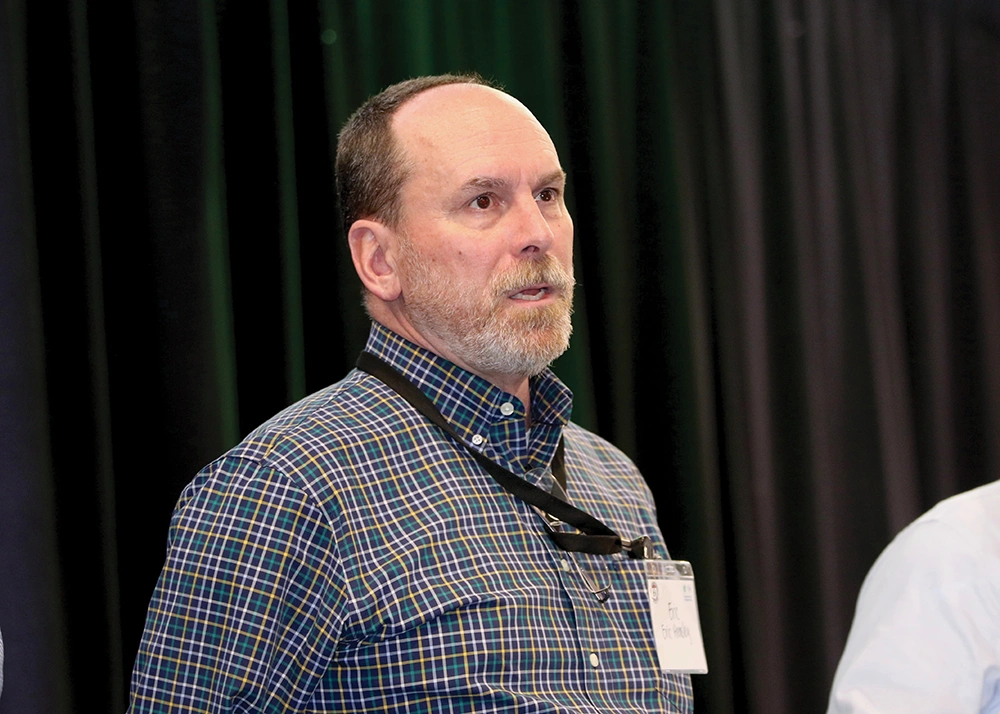
Eric Hensley, a more than 30-year CRAA veteran, discussed expansion at LCK in support of the adjacent Anduril Industries. This 4,000-employee facility will manufacture autonomous drones and vehicles for the U.S. Military. Discussing how LCK – which was originally an air force base before adding civilian and logistic services – is supporting Anduril, the senior project manager discussed the airport facility’s current tight timelines in expanding and constructing six hangars and loading zones, roads and taxiways, aircraft bays and office and parking space.
With the presentation topic moving roughly 12 miles as a Boeing 737 flies from Rickenbacker International, CRAA’s Kevin Jackson and Corrie Feldman spoke about the $2 billion developments at John Glenn International.
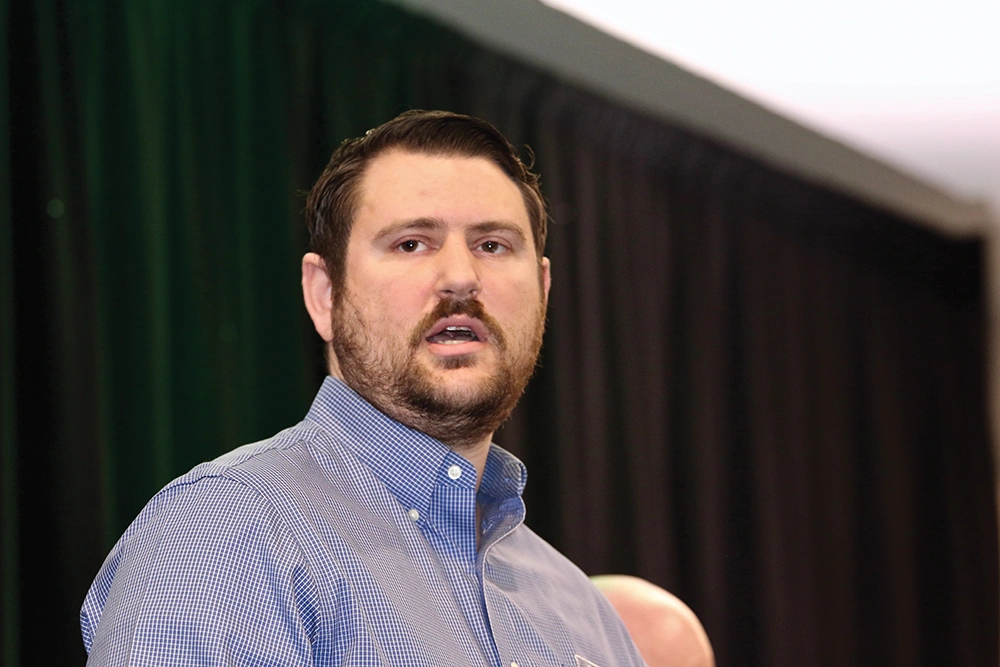
Jackson, a project manager for four years with CRAA who previously was in commercial construction, provided an overview of the utility corridor’s second phase and new parking garage at CMH. Jackson detailed the water, sanitary and electric utilities installed nearly 30 feet below ground through the current airfield to the new terminal’s footprint. Regarding the 5,000-space parking garage currently under construction, Jackson detailed its multi-tier design so as not to restrict sightlines for air traffic controllers.
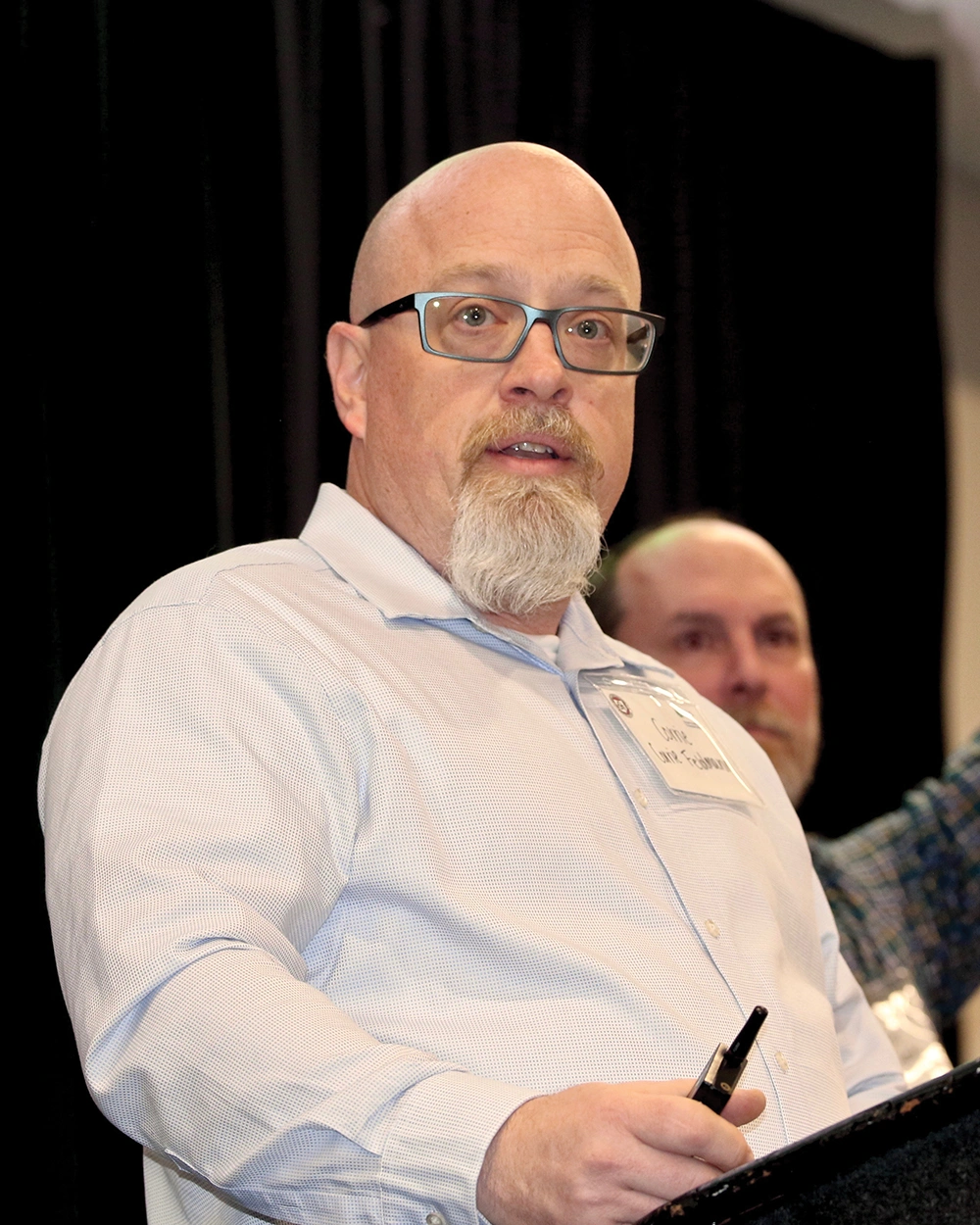
Feldman, after apologizing to anyone who thought 1980s child actor Corey Feldman would be giving the presentation, discussed construction of the new 1-million square-foot CMH terminal. Scheduled to open in 2029, Feldman, a senior project manager who has nearly 30 years of design and construction experience, said he was initially surprised to be designing the baggage handling system prior to the surrounding CMH terminal. In describing the 36-gate, nearly quarter-mile long terminal, Feldman said it will feature a single check-in point; an open design to better see the travel gates; showcase a 9,000-square-foot skylight over the central marketplace; and more.
Along with detailing construction updates, which includes more than 35,000 cubic yards of poured concrete – which is equivalent to a football field filled 15-20 feet high – Feldman discussed plans for the current CMH terminal to be demolished, and the space utilized for overnight parking and future projects.
SBEWD Update
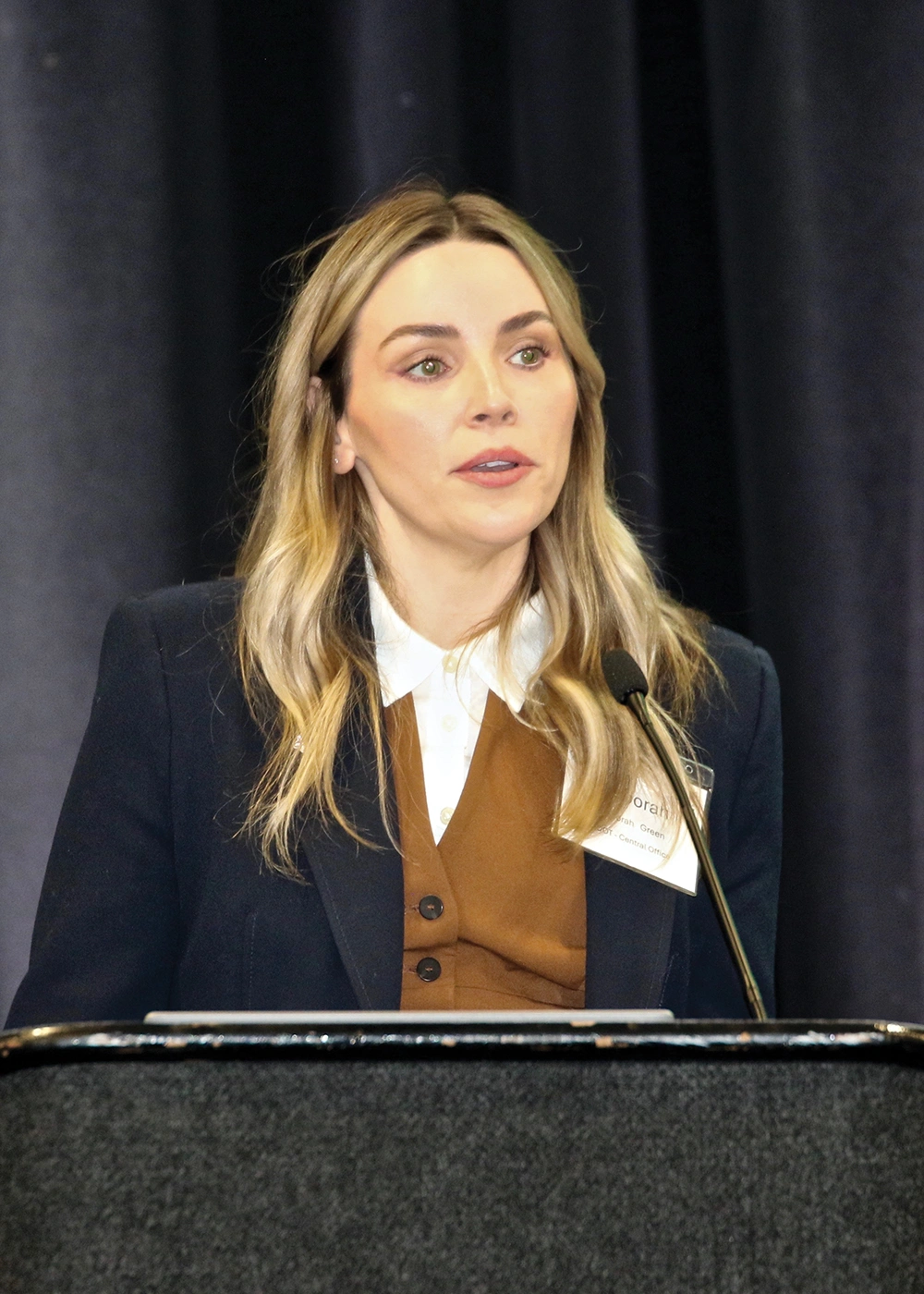
While there have been many changes in the past year – case in point last October’s final ruling by the U.S. DOT regarding the Disadvantaged Business Enterprise (DBE) program – ODOT’s Deborah Green says: “One thing that hasn’t changed is that we are absolutely committed to supporting small businesses and helping folks get onto our projects through external workforce development …”
Green, who serves as ODOT Deputy Director, Division of Small Business & External Workforce Development (SBEWD), is a more than 10-year ODOT veteran and has 15 years of construction and small business advocacy experience. In addition to detailing the final DBE ruling that eliminates presumptions of economic and social disadvantages, Green spoke about the new requirements of collecting individuals’ personal narratives toward certification; ODOT’s outreach efforts of having monthly workshops “to walk DBEs through the process”; and workforce development initiatives in the areas of obtaining a Commercial Driver’s License (CDL), apprentice-ready and on the job training (OJT) programs as well as construction inspection training. She also detailed a 12-week apprenticeship-readiness Fulfillment Futures Program, based in Cincinnati, that provides heavy/highway construction curriculum.
Also discussed were how results from an 18-month research project on SBE companies will be disseminated to contractors to help remove barriers toward small business growth.
Construction Economic Update
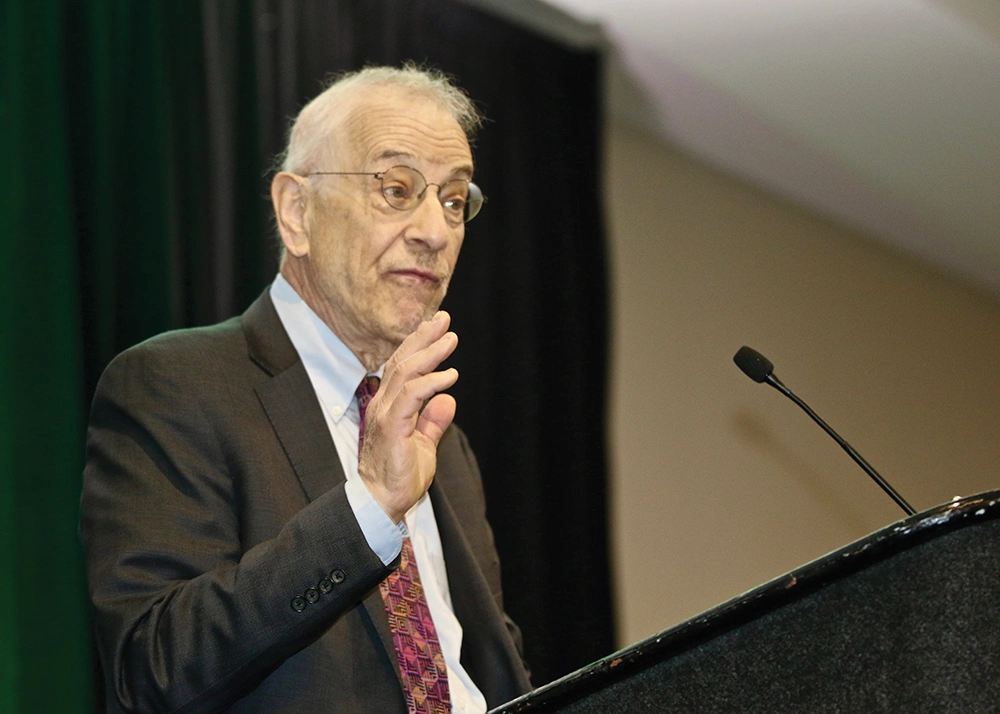
If you’re a company involved in the construction of data centers – and with 1,500 in various stages of development in the U.S. there are plenty – you’re in luck, according to an economic survey and Associated General Contractors of America (AGC) Chief Economist Ken Simonson.
Simonson, a regular presenter at the Conaway Conference, provided timely information in his Construction Economic Update. AGC’s chief economist for 25 years, Simonson said results of a 2026 contractors survey of different construction sectors revealed that data centers had the highest expected growth of any sector in the 15 years that the survey has been conducted. An economist for more than 40 years, Simonson said speculation for Ohio’s construction industry looks good – as it was one of 34 states to add industry jobs in 2025. However, optimism could be affected by several factors, which Simonson discussed the effects of the nation’s tariffs on construction materials, immigration enforcement, inflation and interest rates. Regarding immigration enforcement, Simonson mentioned that construction has more foreign-born workers (35%) than the 18% average for all other sectors.
Plan, to Program, to Project
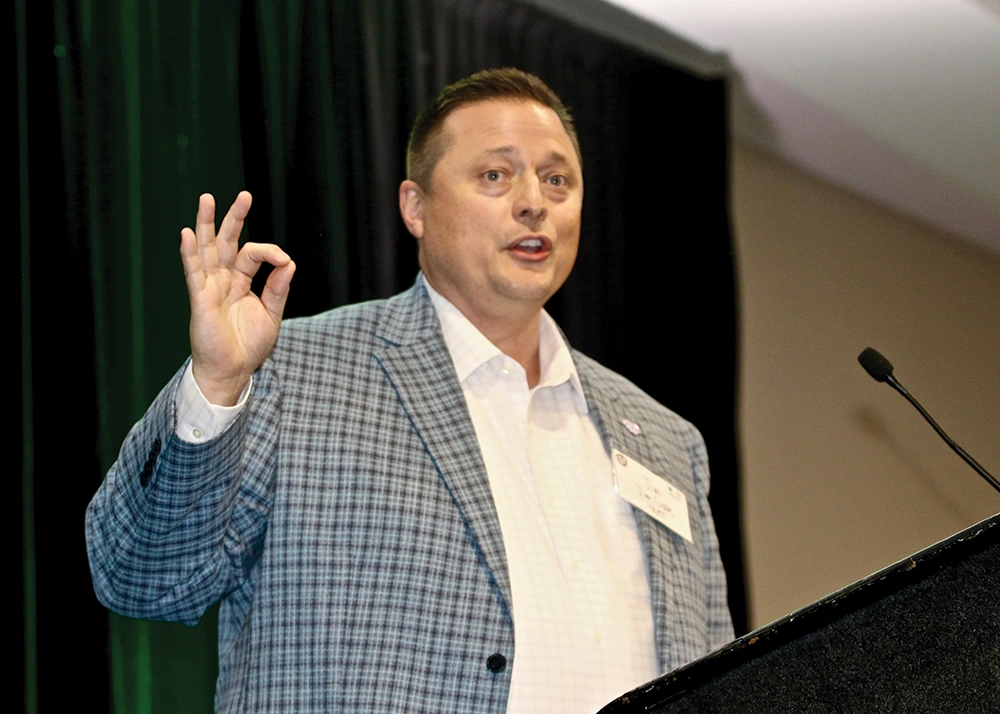
Call it a game plan or call it a mantra, it’s all the same to ODOT Deputy Director, Division of Planning, Jim Gates when it comes to deciding transportation projects: “Planning directs funding; funding directs projects.”
Gates’ 26-year well-rounded career with ODOT has prepared him for his current position, as he has experience in environmental development, project management and has led initiatives supporting economic development through transportation investment; he was a consultant as well prior to joining ODOT. The variety in his own background is similar to what is found among the 130-person Division of Planning staff, as Gates listed researchers, environmental experts, certified planners, engineers and administration planners among the group. “We are a wide mix of people,” he said.
Gates detailed the many, many plans, studies and programs that go into project selection. “We also work in collaboration with statewide efforts. We also work with our district partners and ultimately, we make these investments to make Ohio better.
“… They can be aspirational, condition based or safety,” he said of the types of projects. “We take that vision and we find out how we’re going to fund it; how we’re going to make it happen.” Discussing the six-year planning timeline before a project is constructed, Gates said, “We design it; buy the right of way; we estimate it; and get it out the door and somebody builds it.
“One thing to take away from this presentation,” Gates concluded, “is that plans direct funding; funding delivers projects. It’s that simple. We cast a vision of what we want to do; we find the money for it; and then we go and do it.”
Future Dates
Conaway 2027 – March 2 & 3
Conaway 2028 – February 28 & 29
Conaway Conference 2026 Planning Committee
The Conaway Conference Planning Committee consisted of OCA and ODOT representatives. Here are the people involved in this year’s planning:
OCA
Chris Engle – OCA Director, Public Agency Advocacy; David Rule – OCA Director, Member Events; Rachel Bates – Eagle Bridge Co.; Brian Francis – Beaver Excavating Co.; Pete Kinzer – Shelly & Sands Inc.; Chris Kunz – John R. Jurgensen Co.; and Craig Wing – Kokosing Construction Co. Inc.
ODOT
Josh Bowman – Deputy Director, Division of Construction Management; Claudette Durham – Business Office Mgr., Division of Construction Management; Chris Hughes – District 1 Deputy Director; Eric Kahlig – Administrator, Office of Construction Administration; Phil Senn – District 2 Construction Engineer; Chase Wells – Division of Construction Management; and Rob White – District 1 Capital Programs Administrator
Thank You to Our Sponsors
Here are the company sponsors for Conaway Conference 2026:
- A&A Safety Inc.
- American Structurepoint Inc.
- BOCA Construction Inc.
- CTL Engineering Inc.
- Critical Business Analysis
- Coyle SWPPP Professionals
- E.L. Robinson Engineering of Ohio Co.
- Eagle Bridge Co.
- Frantz Ward LLP
- The Great Lakes Construction Co.
- HDR Engineering Inc.
- Hahn Loeser & Parks LLP/Parks Construction Consultants LLC
- Kokosing Construction Co. Inc.
- Miller Bros. Construction Inc.
- Palmer Engineering
- Prestress Services Industries LLC
- Shelly & Sands Inc.
- State Highway Supply Inc.
- The Shelly Co.
ODOT Realignment Brings Change to Districts 1, 2, 7 & 8
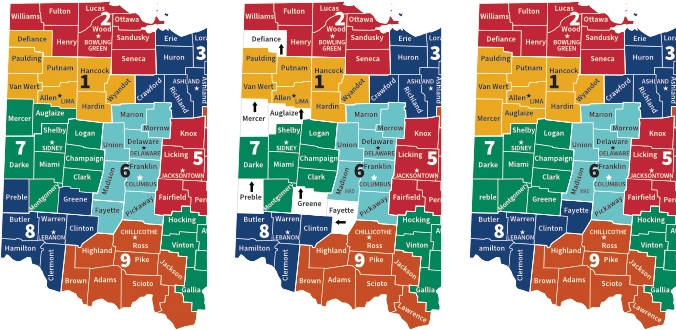
Announced in February, ODOT is realigning four of its 12 districts. The realignment of Districts 1 (Lima), 2 (Bowling Green), 7 (Sidney) and 8 (Lebanon) – the first redistricting by ODOT in more than 40 years – are made necessary by shifts of the region’s populations, traffic patterns and economies.
ODOT Deputy Director, Division of Construction Management, Josh Bowman said at the 2026 Conaway Conference in March that the realignment “is rooted in commitment to regional synergy and operational excellence,” and that the primary goal is “to ensure that regionally connected transportation systems, economies and communities are kept within a single district and workloads are more balanced.”
The realignment affects six counties and ODOT operations in four districts, which include:
- Defiance County now in District 2
- Mercer and Auglaize counties moved to District 1
- Greene and Preble counties now in District 7
- Fayette County moved to District 8
“This initiative will not happen overnight, as it will take time to transition the many facets of our operations – (such as) budgets, reports and a host of internal functions,” said ODOT Director Pamela Boratyn at the February announcement. “However, please be assured that cohesive planning and construction, and other core operations with our public and private transportation partners will be of the highest priority – and we expect to continue our workflows and relationships with as little disruption as possible.”
To improve service and services, Bowman said the redistricting of District 7 will combine Greene County with the Dayton Metropolitan area so the entire Interstate 675 Corridor, and much of the four-lane portion of State Route 35, will now be together. In addition, the western portion of I-70 from Clark County to the Ohio-Indiana state line will all be in the same district.
Mercer and Auglaize counties’ move to District 1 will align it with the Lima Allen County Regional Planning Commission and other shared services.
In District 2, Defiance County, which was formerly the northernmost county in District 1, will place the S.R. 24 Corridor in the same district as well as streamline services in a four-county partnership with Fulton, Henry and Williams.
Bowman also mentioned that the realignment fits the state’s western regional media markets – which will improve communication between ODOT and the public.
“As highway contractors, you won’t experience much change,” Bowman said of the district realignment. “While a county may be in a new district you can count on ODOT to deliver the same customer service to all of you as we always have in the past. Our focus remains to produce a consistent construction program each year in the areas you know and expect …”